

The Shamshir is one of the most iconic swords in Persian history, renowned for its curved blade and elegant design that marked a turning point in the evolution of bladed weapons in Asia and the Middle East.
From the Middle Ages to more recent times, this sword was not only an effective combat tool, but also a cultural and artistic symbol reflecting the sophistication of Persian civilization.
Archaeological studies and museum finds have documented their evolution, manufacturing techniques, and social significance.

Origin and characteristics of Shamshir
The term "Shamshir" comes from Persian and literally means "sword".
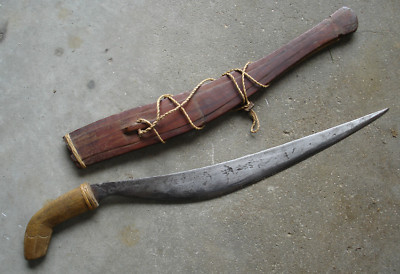
Its main feature is the curved, thin, single-edged blade, designed for fast, powerful cuts, especially effective from the saddle.
The sharp curve facilitated agile arm movement and optimized the cutting force in close combat.
Shamshir blades typically measure between 70 and 90 centimeters and are made of high-quality steel, often forged using traditional techniques that ensure strength and flexibility.
The handle, usually made of wood, ivory or bone, was complemented by a simple handguard or, sometimes, with small decorations, highlighting the elegance and functionality of the weapon.
The historical role of Shamshir in Persia and beyond
Shamshir reached its peak during the era of the Islamic Persian empires, from the 9th century onwards, being adopted and adapted by other peoples of the Middle East, Central Asia and the Indian subcontinent.
It was used by both regular warriors and nobility and military officers, becoming a symbol of power and prestige.
The Shamshir sword was not only used for military purposes but also for ceremonial purposes.
It was often given at investiture ceremonies and used in rituals of honor and respect, symbolizing authority and protection.
Its presence in Persian iconography and literature highlights its cultural and spiritual importance.

Archaeological evidence and notable findings
The archaeological study of Shamshir has allowed us to identify different forging styles and techniques throughout its history.
Remains of swords, as well as molds and blacksmithing tools, have been discovered at archaeological sites such as Persepolis, Isfahan, and other historical regions of Iran.
These findings demonstrate the sophistication of Persian metallurgy, with steel tempering and bending techniques that improved the durability and sharpness of the blades.
Some Shamshirs retain inscriptions in Persian or Arabic, which provide information about their craftsmen, owners, or specific events.
Conservation and exhibition in museums
Numerous original pieces by Shamshir are in international museum collections, including the National Museum of Iran in Tehran, the British Museum in London, and the Metropolitan Museum of Art in New York.
These pieces, in addition to their aesthetic value, are material witnesses to a warrior and artistic tradition that has survived for centuries.
Museums provide a space for conservation and research, allowing the public to learn about the history and legacy of Shamshir, as well as its relevance to Persian culture and beyond.

The Shamshir as a symbol of art and power
The Shamshir is not just a curved sword; it is a symbol of Persian history, craftsmanship, and culture.
Its ingenious design and combat functionality reflect the adaptation of technology to the needs of the Persian warrior.
Thanks to archaeological finds and its presence in museums, we can now appreciate the historical and cultural value of this emblematic sword, which remains a symbol of identity and prestige in Persian tradition.
Furthermore, its historical presence and cultural depth have heightened interest, giving rise to replicas faithful to its craftsmanship and nature, and capturing the interest of collectors and enthusiasts around the world.