
Scottish kilts , also known as Scottish skirts , are an iconic symbol of Scotland and its rich cultural history.
More than just a piece of clothing, the kilt represents identity, tradition, and belonging to clans that date back centuries.
This garment has evolved from its origins in the Middle Ages to become a national emblem, present in ceremonies, festivals, and formal events.
Historical origin of the kilt
The traditional Scottish kilt emerged in the Middle Ages , around the 16th century, in the Scottish Highlands .
Originally known as the féileadh mór or “great kilt,” it was a long piece of woolen cloth that was wrapped around the body to protect from the cold, wet, and harsh terrain.
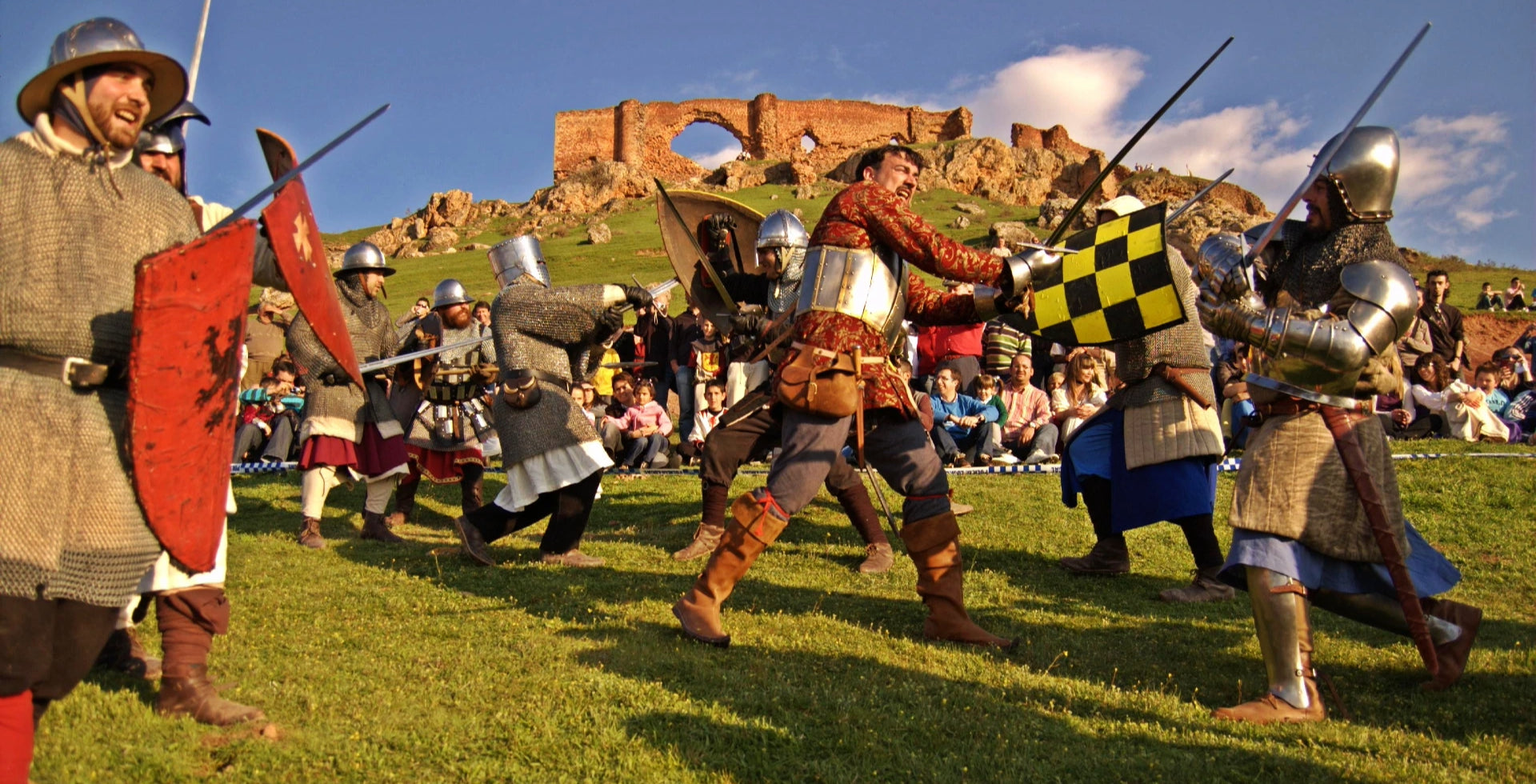
Its design allowed mobility for walking, riding, or even fighting in battle, proving that the kilt was not only elegant, but functional.
Over time, the modern kilt became shorter to the knee and took on more structured shapes.
However, it retains the tartan , the characteristic checkered pattern that identifies Scottish clans and families.

Meaning of colors and patterns
Each tartan has a special meaning: the colors, the size of the squares, and the combination of lines reflect the history of the clan, its territory, and its family ties.
Some examples of tartans include:
- Red and green : associated with clans of the central Highlands.
- Blue and black : common in maritime or coastal clans.
- Yellow or gold : represent wealth, power or influence.
Patterns can also differentiate branches of the same clan, secondary lineages, or even important historical events, such as battles or alliances.
Wearing the correct tartan demonstrates pride, loyalty, and knowledge of family history.
Clan membership
Wearing a kilt of a specific tartan is an act of belonging.
Since the Middle Ages, Scottish men showed their loyalty to their clan in ceremonies, gatherings, and battles. Each tartan tells the story of generations and reinforces cultural identity.
Even today, although many kilts are worn for fashion, each pattern remains a link to Scottish ancestry and tradition.

Interesting facts about kilts
- Without underwear : Tradition dictates that the kilt is worn without underwear, although this depends on the modern context.
- Traditional accessories : sash, jacket, spurs and sgian-dubh (a small dagger) accompany the kilt, completing the formal attire.
- Correct length : A kilt should reach the knee, maintaining a balance between comfort and aesthetics.
- Global use : Today, the kilt is seen at Scottish weddings, Celtic festivals, parades, and events around the world.
Tradition, clan and pride: the legacy of the kilt
Men's Scottish kilts are not just clothing: they are symbols of identity, history, and family pride.
Every color, every pattern, and every accessory reflects centuries of culture, clan affiliation, and traditions that are still celebrated in modern ceremonies.
From its origins in the Middle Ages to its current use at formal events, the kilt remains an emblem of Scotland and the deep connection between past and present.
Wearing a kilt is carrying the history of a clan, honoring tradition, and keeping alive one of the world's most iconic garments.